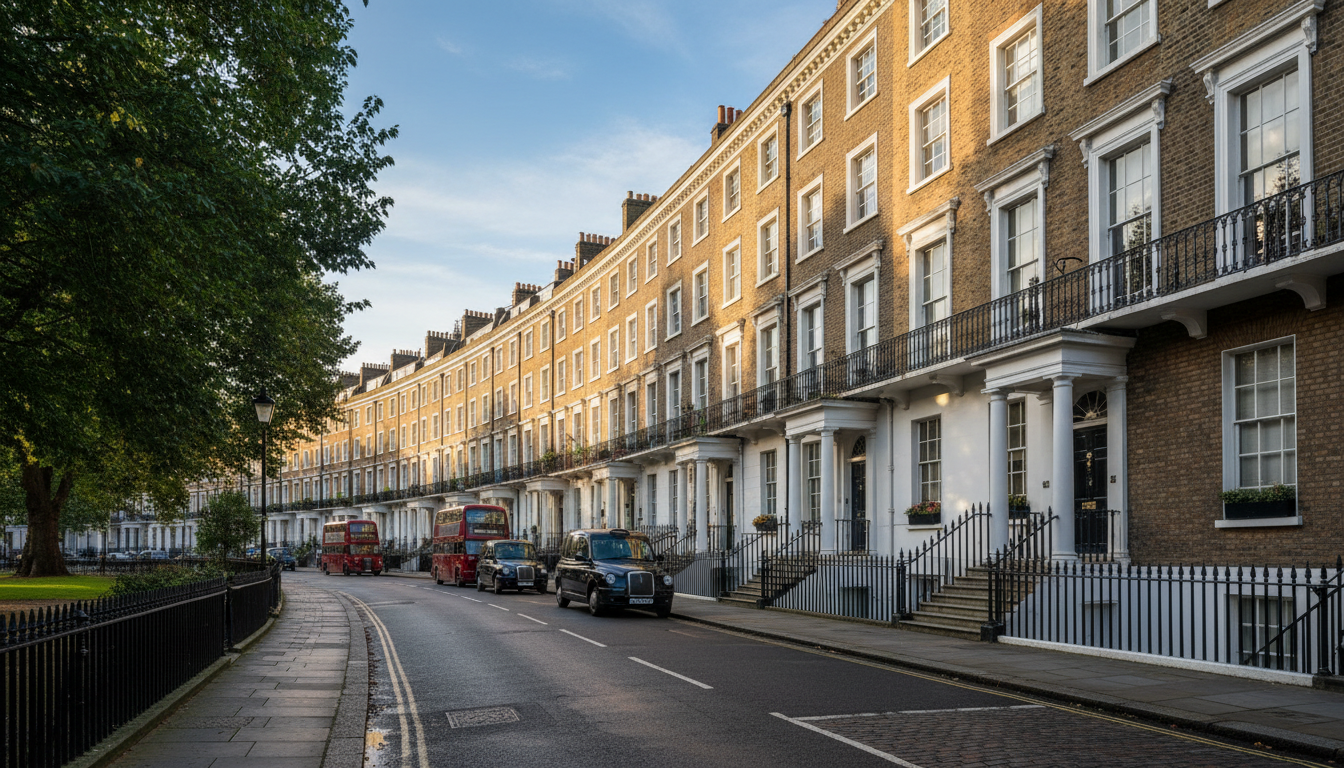


Georgian terrace in Blackheath

The Architectural Archive

Built to endure

Blackheath's architectural landscape is a living textbook of English domestic design. From the stately Georgian crescents of the Cator Estate to the Victorian terraces lining the village streets, every era has left its mark on this remarkable corner of South East London.

Colonnade House
Georgian c. 1802

Colonnade House

A striking example of Regency architecture, Colonnade House sits at the edge of the Heath with commanding views across the common. Its elegant ground-floor colonnade of slender Doric columns creates a distinctive covered walkway, while the upper floors display the refined proportions and sash windows characteristic of the early 19th century. The building has served variously as a private residence, school, and community space.

Notable: Doric colonnade, panoramic Heath views, mathematical tiles, ornamental ironwork balconies

Listed Building

Community Archive

Visitor Gallery

No community photos yet.

Be the first to contribute!

All Saints Church
Victorian c. 1857

All Saints Church

Designed by Benjamin Ferrey and consecrated in 1857, All Saints is a magnificent example of Victorian Gothic Revival architecture. Its soaring spire has been a landmark on the Blackheath skyline for over 160 years, visible from across the common. The church features exquisite stained glass windows and intricate stone carvings that showcase the finest Victorian craftsmanship.

Notable: Soaring spire, stained glass windows by Clayton and Bell, ornate stone tracery

Listed Building

Community Archive

Visitor Gallery

No community photos yet.

Be the first to contribute!

Georgian

Georgian c. 1793

The Paragon

One of the finest Georgian crescents in London, The Paragon was designed by Michael Searles in the 1790s. This remarkable semicircular development features fourteen linked houses connected by single-storey colonnades — a unique architectural composition that blends the grandeur of Bath's Royal Crescent with London's domestic scale. The London Stock brick façades and elegant proportions exemplify the best of late Georgian design.

Notable: Semicircular layout, Tuscan colonnades, London Stock brick, unified roofline with individual identity

Listed Building

Community Archive

Visitor Gallery

No community photos yet.

Be the first to contribute!

Blackheath Concert Halls
Victorian c. 1895

Blackheath Concert Halls

Originally built as a Victorian assembly room and later expanded, the Blackheath Concert Halls (now the Conservatoire) represents an important chapter in the area's cultural history. The main hall features a barrel-vaulted ceiling with remarkable acoustics, while the exterior displays confident Victorian detailing in red brick with stone dressings — a deliberate contrast to the prevailing Georgian stock brick of the village.

Notable: Barrel-vaulted concert hall, ornamental brickwork, arched entrance with keystones

Listed Building

Community Archive

Visitor Gallery

No community photos yet.

Be the first to contribute!

Georgian

Georgian c. 1790

The Cator Estate Terraces

The Cator Estate, developed from the late 18th century, comprises some of the most cohesive Georgian streetscapes in South East London. The terraces along Montpelier Row and surrounding streets feature elegant three-storey houses with perfectly proportioned sash windows, fanlighted doorways, and the warm yellow hue of London Stock brick. The estate's planned layout with generous gardens reflects the Enlightenment ideals of rational urban design.

Notable: Fanlighted doorways, six-over-six sash windows, wrought-iron railings, London Stock brick

Listed Building

Community Archive

Visitor Gallery

No community photos yet.

Be the first to contribute!

Statues & Monuments

Guardians of the Heath

Scattered across Blackheath and its borders are statues, memorials, and monuments — each quietly commemorating the people, events, and values that shaped this corner of London.

The Cherry Orchard Memorial
Edwardian c. 1905

The Cherry Orchard Memorial

Commemorating the lost cherry orchards of Blackheath

A stone memorial commemorating the historic cherry orchards that once graced the slopes of Blackheath, marking the area's transition from agricultural land to residential village.

Cherry Orchard, Blackheath Park
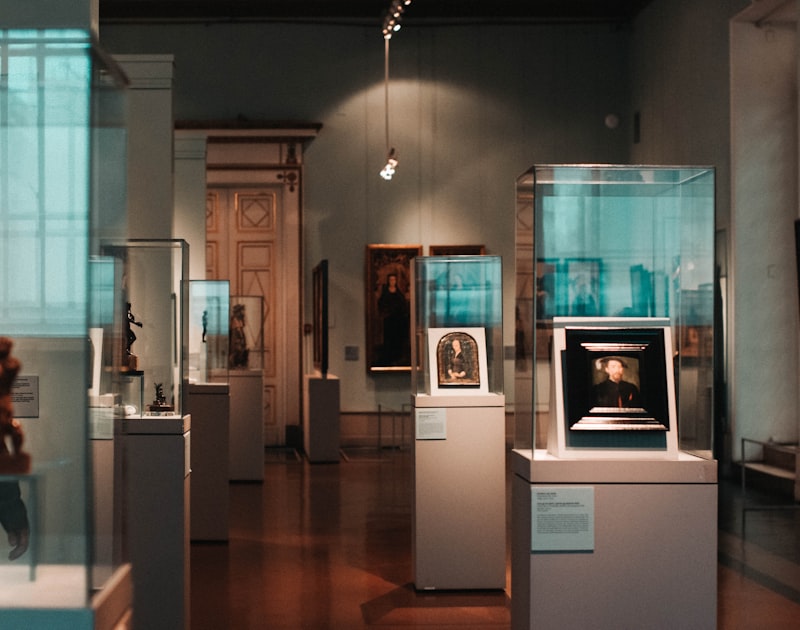
Vanbrugh Castle Gateway Stone
Georgian c. 1719 Listed

Vanbrugh Castle Gateway Stone

Commemorating Sir John Vanbrugh (1664–1726), architect and playwright

A commemorative stone near the historic Vanbrugh Castle, honouring Sir John Vanbrugh, the architect and dramatist who built the castle as his own residence in the early 18th century.

Vanbrugh Park Unknown
The Sundial on the Heath
Victorian c. 1860

The Sundial on the Heath

Commemorating the passage of time on the heath

A historic sundial standing on Blackheath's open common, serving as both a navigational landmark and a reminder of the heath's long use as a gathering place. It has watched over fairs, meetings, and markets for generations.

Blackheath Common
Montpelier Row Obelisk
Georgian c. 1790 Listed

Montpelier Row Obelisk

Commemorating the development of the Cator Estate

An elegant obelisk monument marking the entrance to one of Blackheath's finest Georgian terraces, erected as a landmark for visitors approaching the Cator Estate from the village.

Montpelier Row

Community Archive

Locals through the lens

A living gallery of Blackheath's architecture, contributed by residents and visitors. Share your own photographs of the buildings and landmarks that define this neighbourhood.

No photos yet

Be the first to contribute to the community archive.